
Uncategorized
David Glenn’s Clematis Pruning Tips
Jul
Clematis are not difficult to grow provided their few simple wants are met: Prepare the soil for these clematis by digging as deeply as possible a patch 60-80cm across and incorporating compost. Animal manures should not be used. A dusting of ground lime should be added if the soil isn’t alkaline. Plant each clematis 4cm deeper than it is in the pot.
It is hard to think of another plant that offers so much reward, so it is well worth attending to their few simple needs.
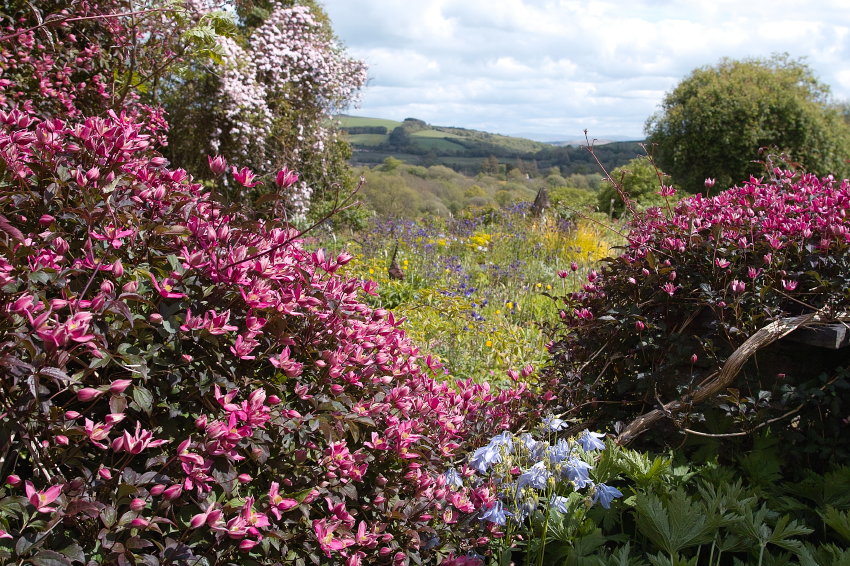
We grow quite a few Clematis species and hybrids in our garden, and I’m often asked how we go about pruning them. Clematis can be divided into four groups depending on their pruning needs:
Pruning Group One
This includes the popular and easily grown C. montana and the less well known but beautiful C. armandii. These species flower in early spring on the previous season’s growth and generally don’t need any pruning at all. If a bit of tidying up needs to be done it should be done after flowering.
Pruning Group Two
These clematis flower on both the previous season’s growth as well as on new growth. Generally, they aren’t pruned in winter. After the spring flowering, prune them back about halfway to promote vigorous new growth and a second summer/autumn flush.
Pruning Group Three
These clematis flower on the new growth and include the later flowering large hybrids as well as all the C. viticella varieties. Cut them down to strong buds near to ground level during winter. They will flower during late spring and early summer. When the first flush is over cut back to about 30cm to encourage another blooming during late summer and autumn.
Pruning Group Four
This group which includes C. maximowicziana and C. ‘Golden Tiara’ flowers on new season’s wood during summer and autumn and should be cut back to 30-50cm during winter.