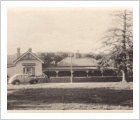
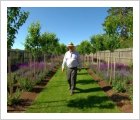
Thirty two years ago Criss and I were living in the Dandenong Ranges on the outskirts of Melbourne. These hills can best be described as temperate rainforests with towering mountain ash, Eucalyptus regnans, being the dominant tree. This Eucalypt is the tallest growing hardwood and the tallest growing flowering plant in the world. Read more about Lambley History at 'Burnside', Ascot
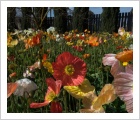
Now in mid-June the first stems of this season’s Iceland poppies are carrying their hairy, dangling flower buds. In a few days the buds will straighten, the tightly crinkled flowers will push off the bud casing and within a few minutes the crepe paper like petals will unfurl revealing countless stamens. The anthers produce prodigious amounts of pollen. Read more about Iceland poppies
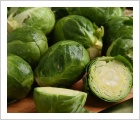
I’ve been picking Brussel sprouts for a month or so now and my one row will provide regular feasts of solid hearted sprouts well into September. Read more about Brussel sprout seedlings
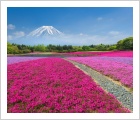
The moss Phlox are easily grown evergreen carpeting plants native to eastern and central USA, yet taken to their finest form in the famed Shibazakura (Moss Phlox) Gardens of Japan.
Easy to grow they just want a sunny spot with a little summer watering. Frost hardy to minus 15C they are suited to all Australian growing regions given their few needs are attended to. Read more about Shibazakura (Moss Phlox) Gardens of Japan
A couple of years ago the gardening world in the UK, Europe and America was bewitched by these new plants, the result of some brilliant hybridising across genera by the venerable old English company Thompson and Morgan. Read more about New Plant Breeding
Lambley Nursery gets lots of questions from customers about cutting back plants to get the best out of them. It is hard to generalise as we treat different plants in different ways. Take Salvias for example. Read more about Cutting Back Salvias
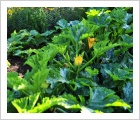
Criss made zucchini and basil soup last week. The recipe was sent to us by an old friend of mine. A friend I’ve known for almost all of the 60 years I’ve lived in Australia. Criss was able to make the soup with our own home-grown ingredients. I grow an F1 hybrid zucchini called Nitro. It is by far the best that I’ve ever grown. It knows its place and doesn’t sprawl all over the place. Read more about Italian Style Zucchini and Parmesan Soup with Basil
David: Criss and I bought “Burnside” and its attached 30 odd acres just over thirty years ago. At the time it was a neglected property. Making the garden and bringing the 1860’s bluestone farmhouse back to its former glory over the past thirty one years has been a task that has given us a huge amount of satisfaction and nourishment. Read more about History and Future
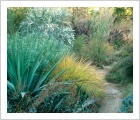
Anemanthele lessoniana Syn. Stipa arundinacea is a superb ornamental grass increasingly being adopted by the landscape trade for its visual interest in a massed planting. We're just as happy to include one or two in a perennial border for its textural effects and colours. Read more about NEW ZEALAND WIND GRASS
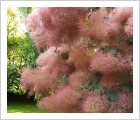
This outstanding tree which is rare in its native US habitat is even rarer in cultivation as it is so damned hard to propagate. It can be found growing wild in Oklahoma, Texas, Arkansas, Missouri, Alabama and Tenessee. Read more about The American Smoke Tree